
Questions, answered plainly.
Short answers grounded in our checked sources. Every topic here has a longer page if you want the details.
Are these the games inside Radiant Optimizer?
No. The 25 browser-game entries were shared by the @RadiantOpti account on October 8, 2026. They are separate third-party projects. The Radiant Optimizer Windows utility changes PC settings; it does not include, unlock or host any of these games, and buying it gets you nothing on this list. How the list is organized →
Do I need to pay or create an account?
None of the destinations we checked asked for payment or a login to start. Some ask for game files from a copy you already own — that is a data requirement, not a purchase from them. If a page imitating these games asks for a password, payment or a launcher download, stop: that is not what our checked sources do. The directory →
Why do some games ask for my own files?
Because the project runs the game engine but does not distribute the game data — that is how these builds stay online. Halo CE Web and Halo CE Mobile ask for a disc image from your own Xbox copy; GTA Vice City expects a game.tar.gz from your install; Diablo Web offers a shareware demo as the no-purchase route. Use files from media you actually own. An example guide →
Why does a game say “loading” for a long time?
Browser builds transfer real game data before the first menu. Return to Castle Wolfenstein warns of about 380 MB on first load; the Halo ports store a maps folder locally. Let the loader finish — reloading mid-transfer usually restarts it. Loading and troubleshooting →
Why do some entries have no play link?
When a destination fails our checks, we say so instead of linking you into it. The Hedgewars address has a persistent certificate problem; three Zombies map addresses now redirect through a third-party gateway we cannot verify; one “Skate Rust” link leads to a merchandise store, not a game. Each card keeps its dated notes. See the current statuses →
A name on your list does not match the game. Why?
The source reply was a fast social post, and some labels drifted. Its “Unreal Tournament” link runs Urban Terror; its “Modern Warfare 2” link loads a screen self-identified as Contemporary Conflict: Global Flashpoint. We keep the reply’s name for findability and correct the record in each guide. An example →
Are these games safe?
We check destinations and published instructions, and we warn about what we cannot verify. We cannot vouch for third-party servers, and we have not audited any project’s code. Practical rules: never download a launcher or .exe to “unlock” a browser game, never enter game or account passwords, and treat redirect chains that hide the real destination as a reason to pause. Our full guidance →
Can I play on a phone or with a controller?
Only where the project documents it. Quake III claims mobile and gamepad support; Halo CE Mobile targets phones by design; PES 6 documents touch controls. For everything else, assume desktop keyboard-and-mouse until the project says otherwise — we do not fill that gap with guesses.
Are my saved games and progress stored anywhere?
Our directory’s saved list lives in your browser’s local storage — no account, no server. Each game project handles its own progress separately; some store it locally, and clearing site data can erase it. Check a project’s own instructions before cleanup. Privacy details →
How current is this site’s information?
Every directory card carries a dated source check — most recently October 13, 2026 — and says what we did and did not verify. A page responding is not proof a game finishes loading, so we separate “entry found”, “instructions found” and “gameplay tested” (which we never claim). Our editorial approach →
Who runs this site?
Radiant Guide Editorial, an independent source-based guide. We are not affiliated with Radiant Optimizer’s developer, the @RadiantOpti account, or any game publisher. Corrections and broken links: support@radiantoptimizer.dev. About and sources →
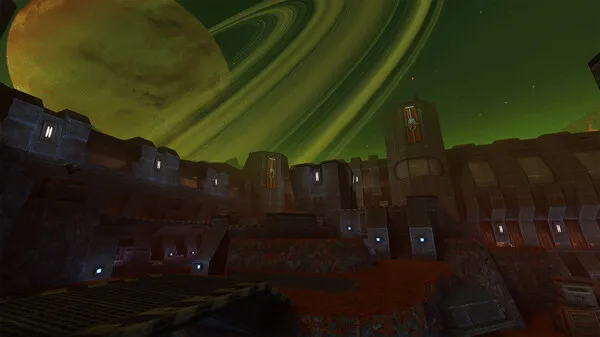 Browser games
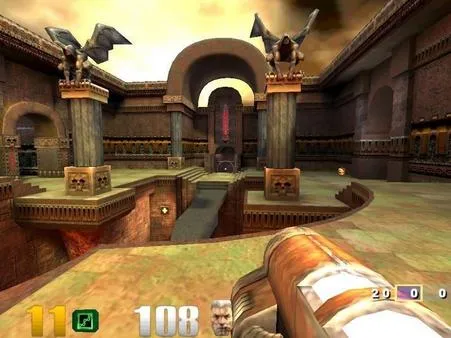 Browser games
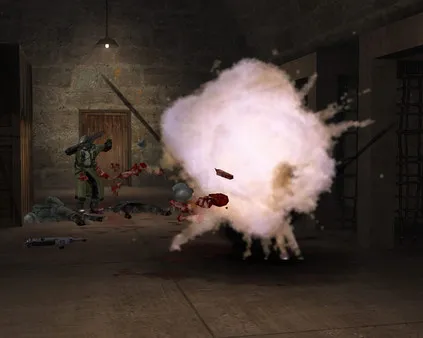 Browser games